Need Help?

WhatsApp Icon

Casting Process

01
Phase 01

Pattern Development

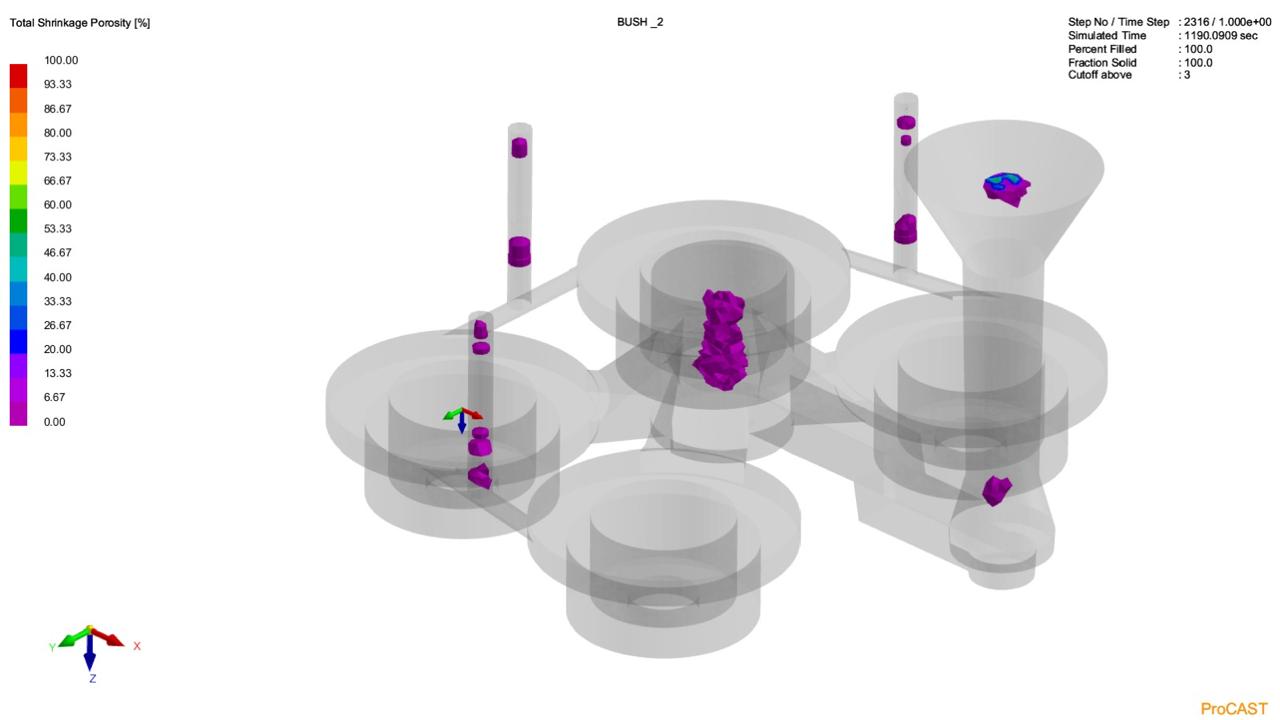
Every precision casting begins with an accurate pattern. Using advanced simulation, we optimize the pattern, gating, and risering system to achieve defect-free castings with maximum yield and accuracy.
Pattern Development - Media 1
02
Phase 02

Mold Preparation

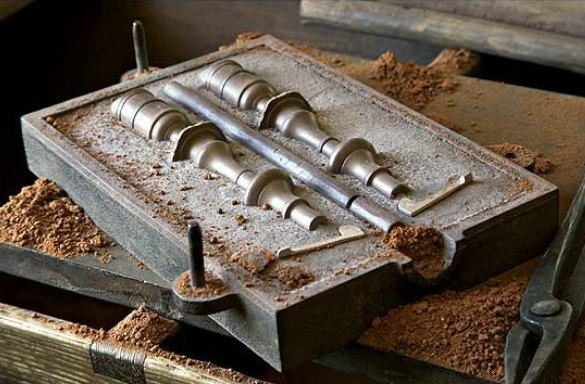
Using our prepared green sand, we form the top (cope) and bottom (drag) halves of the mold around the pattern. The sand is densely compacted using high-pressure molding machines. Once the pattern is carefully extracted, a perfect, stable cavity remains, ready to receive the molten metal.
03
Phase 03

Core Making

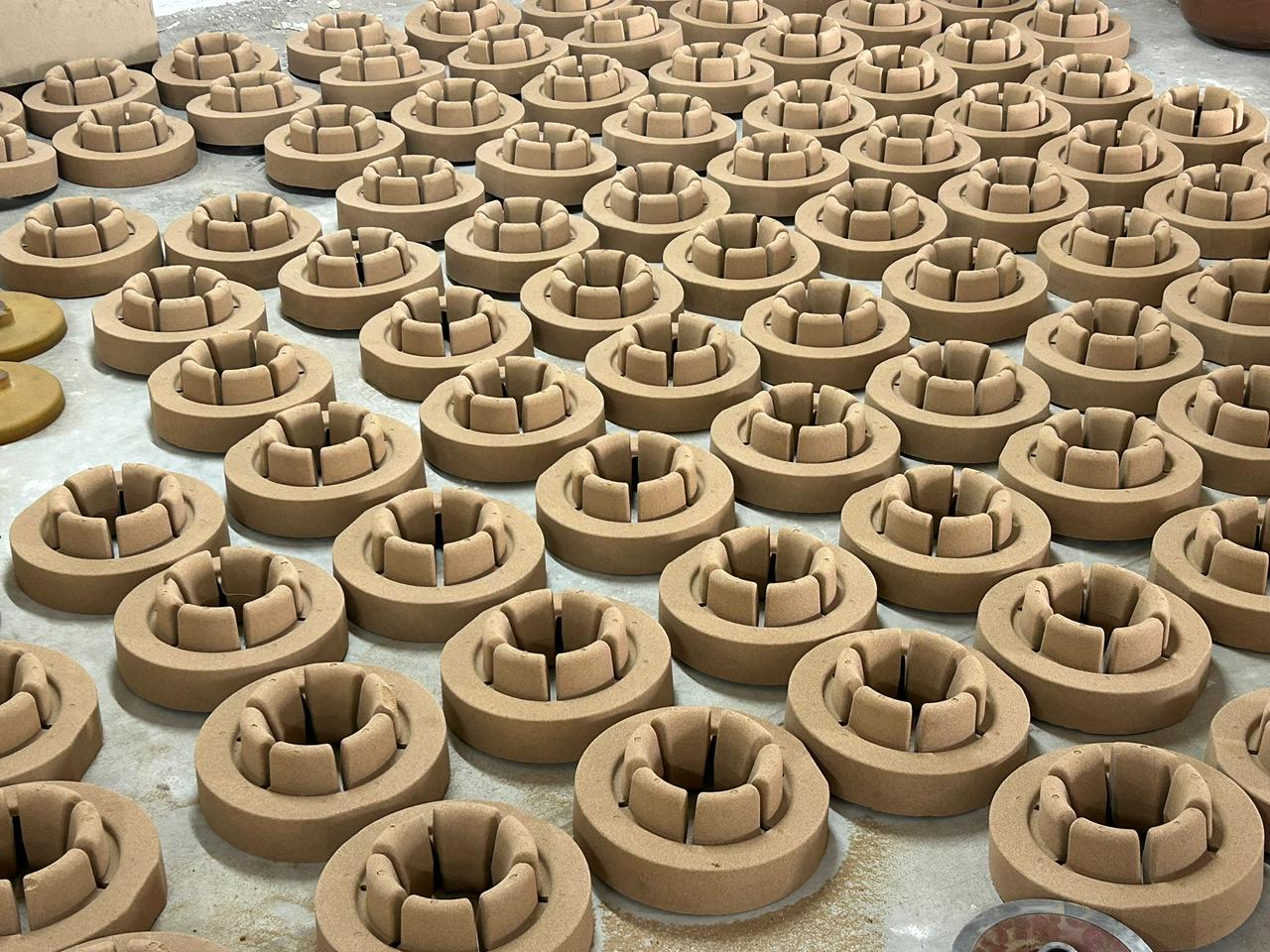
Our advanced core-making process utilizes three industry-standard methodologies to build high-precision internal geometries:
  • Hot Box / Shell Core: High heat curing for intricate, high-strength hollow cores.
  • Cold Box Process: Rapid gas curing at room temperature for high-volume efficiency.
  • CO₂ Method: Reliable, cost-effective silicate binding for custom and large-scale components.

Core Making - Media 1
04
Phase 04

Melting

Raw materials and specific alloying elements are melted in our induction furnaces. We strictly monitor the temperature and chemical composition to achieve the exact metallurgical grade required (such as specific grades of Cast Iron or SG Iron). The molten metal is then smoothly poured into the mold's gating system.
05
Phase 05

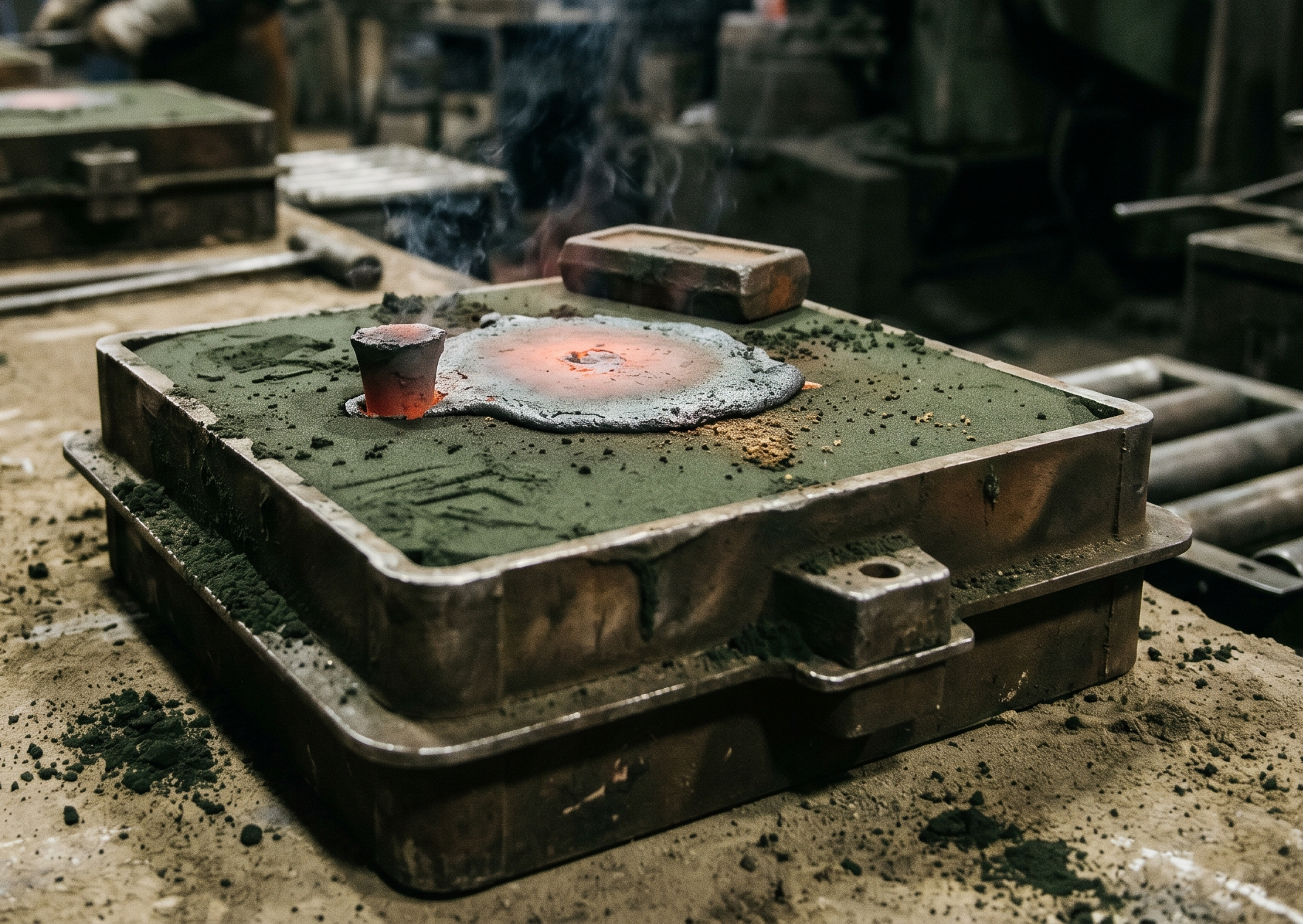
Pouring

Molten metal is advanced to the pouring stage only after achieving precise thermal and metallurgical equilibrium in our induction melting systems. Every pour is carefully metered and velocity-controlled as it enters the sand mold. This specialized handling ensures smooth cavity filling, minimizes turbulence, and guarantees consistent grain structure throughout the finished component.
06
Phase 06

Cooling and Solidification

Once poured, the molds enter a strictly monitored cooling phase. We control the cooling rate to ensure the metal solidifies evenly. This critical step prevents internal stresses, porosity, and structural defects, guaranteeing that the valve or pump component will withstand high industrial pressures.
Cooling and Solidification
07
Phase 07

Shakeout

After the metal has fully solidified and cooled, the sand mold is broken away on a vibrating grid. The raw casting is safely extracted. At Epimech, our process is highly sustainable—the used green sand is collected, cooled, reconditioned, and recycled for future molding lines.
Shakeout
08
Phase 08

Short Blasting & Fettling

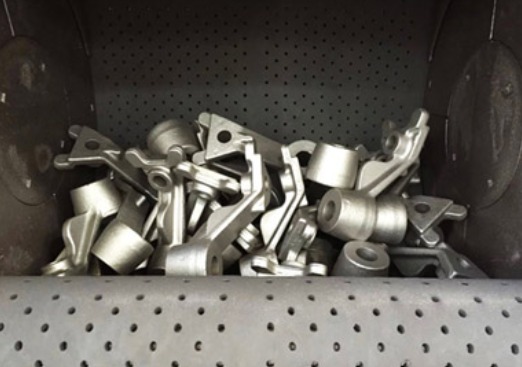
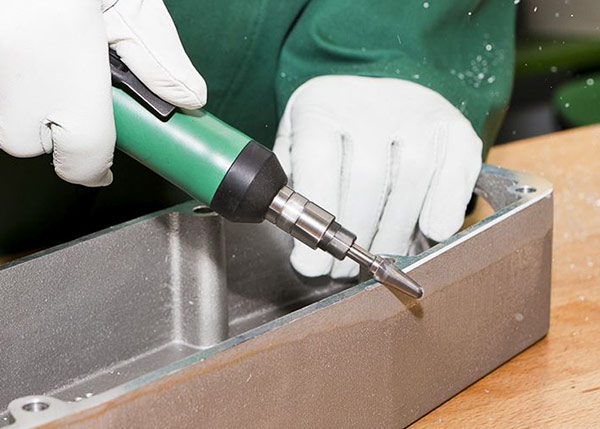
The raw casting is thoroughly cleaned. We cut away the gating system (the runners and sprues used during pouring) and use heavy-duty shot blasting to remove any residual sand or scale. The component is ground smooth, resulting in a clean, defect-free surface that is fully prepared for final machining.
Short Blasting & Fettling - Media 1
Short Blasting & Fettling - Media 2
09
Phase 09

Machining

The raw casting is thoroughly cleaned. We cut away the gating system (the runners and sprues used during pouring) and use heavy-duty shot blasting to remove any residual sand or scale. The component is ground smooth, resulting in a clean, defect-free surface that is fully prepared for final machining.
10
Phase 10

Quality Inspection

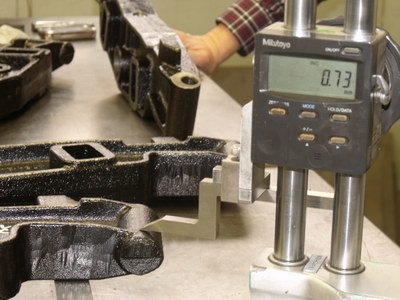
Before any component leaves our foundry floor, it undergoes rigorous quality assurance. We utilize advanced testing equipment to verify dimensional accuracy, test material hardness, and confirm the chemical composition. This guarantees every part meets strict international industrial standards.
Quality Inspection